Tfmpage
  • Home
  • Transportation
  • Chemicals&Materials
  • Aerospace
  • Equipment
  • Energy
  • Technology
  • Electronics
  • Guest Post
No Result
View All Result
Get Started
Writy.
  • Home
  • Transportation
  • Chemicals&Materials
  • Aerospace
  • Equipment
  • Energy
  • Technology
  • Electronics
  • Guest Post
No Result
View All Result
Writy.
No Result
View All Result
chemical materials TaC Powder Tantalum Carbide powder

chemical materials TaC Powder Tantalum Carbide powder

2024-05-06
in Chemicals&Materials
Share on FacebookShare on Twitter

You might also like

HBN Boron Nitride Ceramics Redefining Advanced Materials​ boron nitride ceramic

HBN Boron Nitride Ceramics Redefining Advanced Materials​ boron nitride ceramic

2026-03-24
Advanced Ceramic Powders for Additive Manufacturing Enable Complex Geometries in Ceramics

Advanced Ceramic Powders for Additive Manufacturing Enable Complex Geometries in Ceramics

2026-03-02

Overview of chemical materials TaC Powder Tantalum Carbide powder

Metal powder is a common form of metal that has been processed into fine particles, ranging from a few micrometers to over 100 microns in diameter. It plays a crucial role in various industrial applications due to its unique properties and versatility.

Features of chemical materials TaC Powder Tantalum Carbide powder

Physical Characteristics

Particle Size: Ranging from nanometers to hundreds of micrometers, the size distribution significantly influences the powder’s flowability, packing density, and sintering behavior.

Shape: Particles can be spherical, irregular, flake-like, or dendritic, each shape affecting the final product’s mechanical properties and surface finish.

Purity: Depending on the production method, metal powders can achieve high levels of purity, critical for applications like electronics and aerospace where impurities can degrade performance.

Density: While less dense than their solid counterparts due to the presence of air between particles, metal powders can be densely packed during processing to approach the density of the solid metal.

Chemical Properties

Reactivity: Some metal powders, particularly aluminum and titanium, are highly reactive with air and moisture, necessitating careful handling and storage under inert atmospheres or vacuum.

Oxidation: Exposure to air can lead to surface oxidation, forming a passive layer that affects sintering and other processes. This can be managed through surface treatment or use of protective atmospheres.
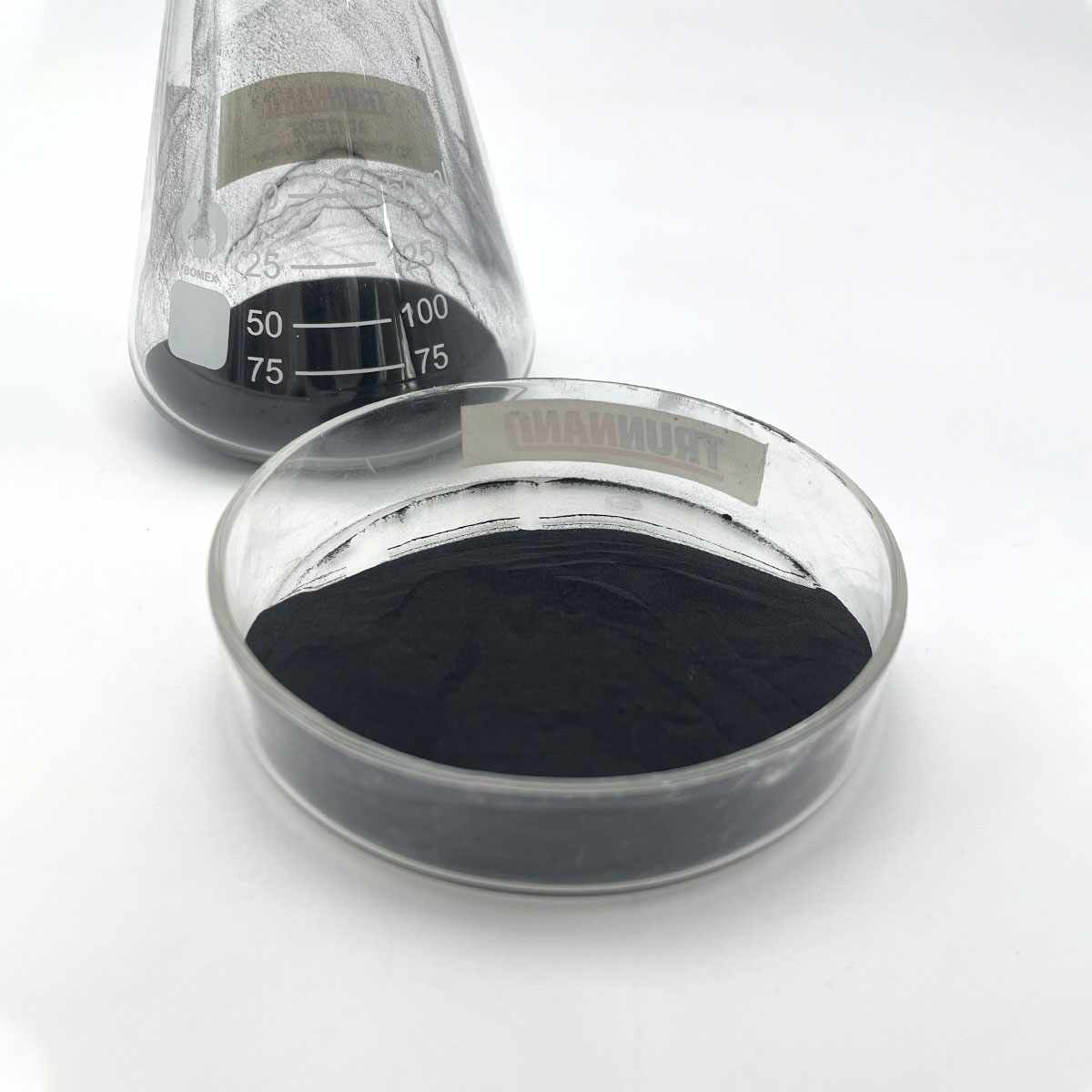
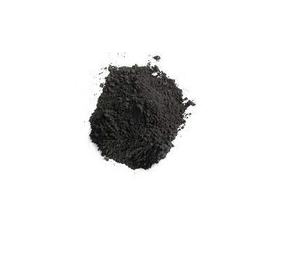
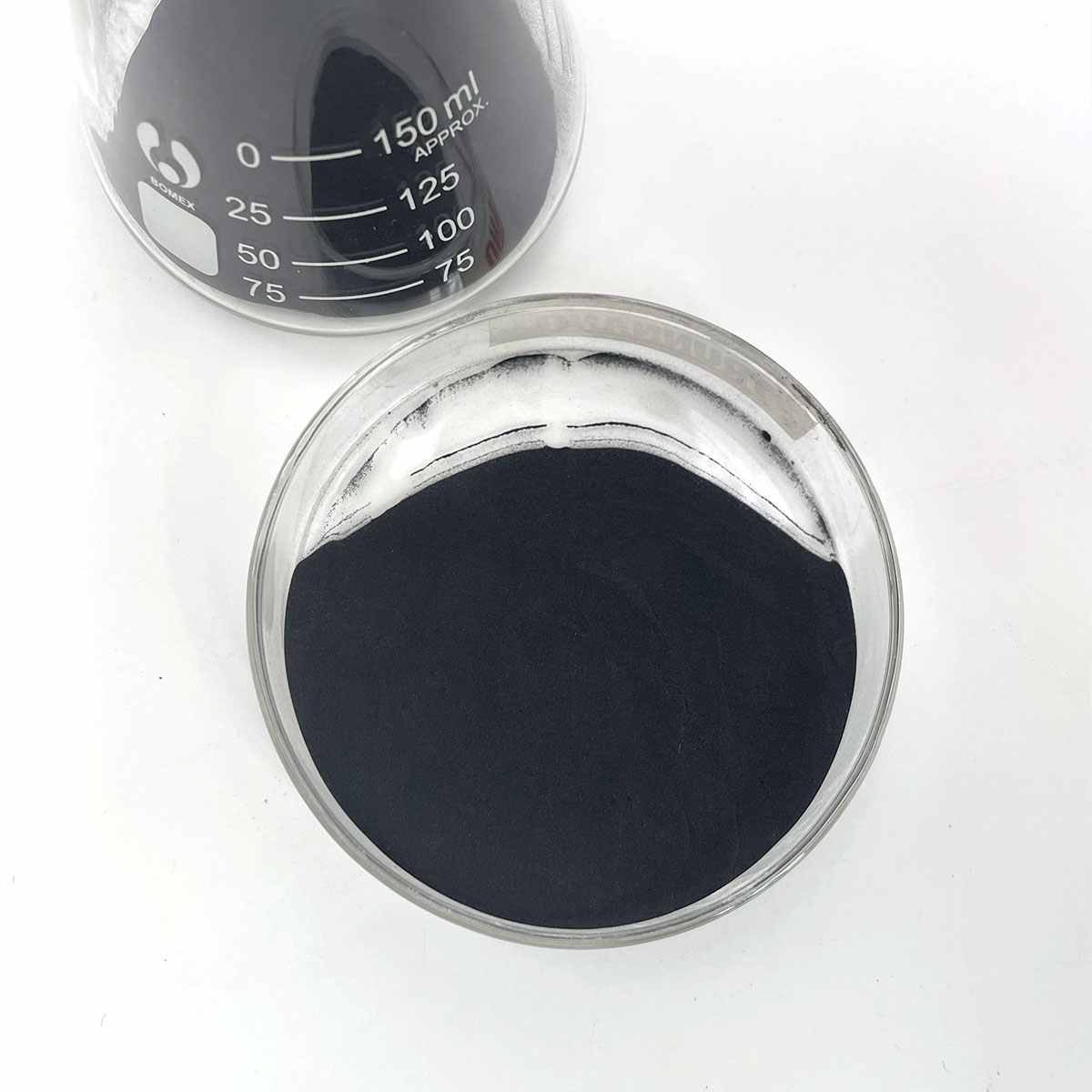
chemical materials TaC Powder Tantalum Carbide powder

(chemical materials TaC Powder Tantalum Carbide powder)

Parameters of chemical materials TaC Powder Tantalum Carbide powder

Tantalum Carbide (TaC) Powder: A High-Performance Material

Tantalum carbide (TaC), an exceptional chemical material, is a compound of tantalum and carbon, primarily in the form of a hard, metallic crystal lattice. It is known for its unique combination of outstanding properties that make it indispensable in various industries, from aerospace to cutting tools and electronics.

The composition of TaC powder consists of around 75% tantalum and 25% carbon by weight. The microstructure of this material is characterized by a body-centered cubic (BCC) crystal structure, which gives it exceptional hardness and wear resistance. This makes TaC particularly suitable for applications where high frictional loads or abrasive environments are prevalent.

One of the most notable features of TaC powder is its extraordinary hardness, rivaling that of diamond. With a Vickers hardness of over 30 GPa, it can withstand significant mechanical stress without degrading. This attribute makes it ideal for applications such as cutting tools, where it can maintain edge sharpness and durability under extreme conditions.

Moreover, TaC exhibits excellent thermal stability, with a melting point above 3000°C, making it resistant to high temperatures. This property is crucial in applications like heat sinks, where thermal management is critical, or in the aerospace industry, where components may be exposed to intense heat.

In addition to hardness and thermal stability, TaC is also known for its low coefficient of friction, which reduces energy loss and improves efficiency in mechanical systems. Its chemical inertness makes it resistant to corrosion, further extending its lifespan in corrosive environments. This feature is particularly useful in applications involving chemicals, oil, or gas processing.

Another key aspect of TaC powder is its electrical conductivity, which is relatively high compared to other refractory carbides. This property makes it suitable for use in electronic components, such as heat spreaders, where efficient heat dissipation is essential.

Processing TaC powder involves techniques like sublimation, sintering, or mechanical milling, which result in particles with different grain sizes, ranging from nano to micrometer scales. The particle size can be tailored to meet specific application requirements, such as improved surface finish or enhanced mechanical properties.

Despite its exceptional performance, TaC powder’s cost can be higher than some alternative materials due to the scarcity of tantalum, a rare earth element. However, the benefits it offers in terms of durability, efficiency, and reliability often outweigh the initial investment for many high-performance applications.

In conclusion, tantalum carbide powder is a versatile chemical material with remarkable properties that make it a sought-after component in various industries. Its hardness, thermal stability, low friction, corrosion resistance, and electrical conductivity make it a valuable choice for applications requiring exceptional performance under challenging conditions. As research and technology continue to advance, TaC’s potential for innovation and integration into new products will likely grow, solidifying its position as a premier material in modern engineering.
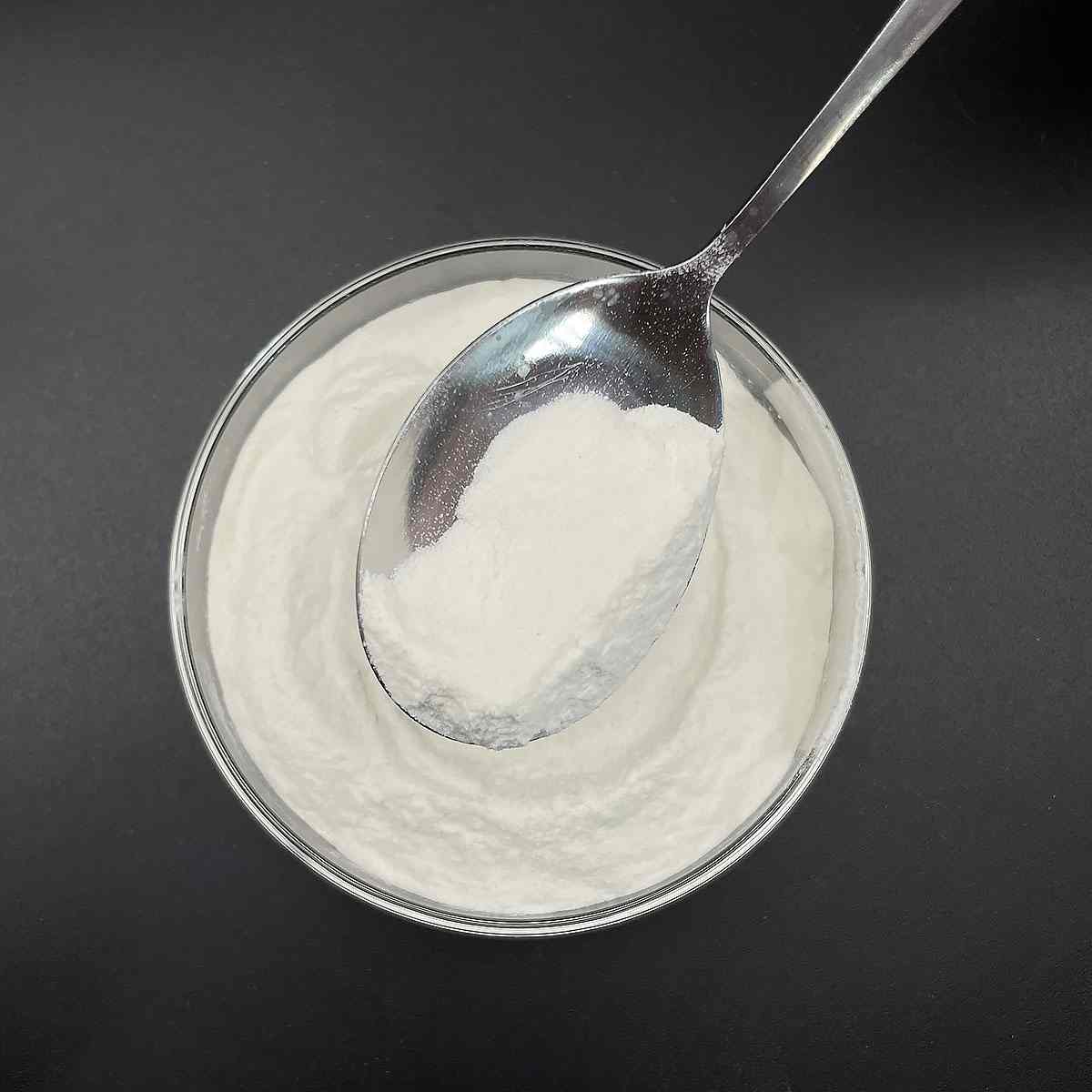
chemical materials TaC Powder Tantalum Carbide powder

(chemical materials TaC Powder Tantalum Carbide powder)

FAQs of chemical materials TaC Powder Tantalum Carbide powder


Q1. What is chemical materials TaC Powder Tantalum Carbide powder, and how is it made?
Metal powder consists of fine metallic particles that have been processed from larger metal pieces. Common production methods include atomization, where molten metal is sprayed into tiny droplets that solidify into powder; chemical reduction, which converts metal compounds into elemental metal powders; and mechanical processes such as grinding.
Q2. Why are metal powders used instead of solid metals in manufacturing?
chemical materials TaC Powder Tantalum Carbide powder offer several advantages, including the ability to create complex shapes through processes like powder metallurgy and additive manufacturing without needing further machining. They also allow for the production of porous or composite materials, and can result in less material waste.
Q3. Are all metal powders the same, or do they vary in composition and properties?
Metal powders can vary greatly depending on the base metal or alloy, particle size, shape, and purity. Different compositions suit specific applications, from iron and steel powders for structural components to titanium and aluminum powders for lightweight, high-strength parts.
Q4. How does particle size affect the performance of chemical materials TaC Powder Tantalum Carbide powder?
Particle size influences the flowability, packing density, and sintering properties of chemical materials TaC Powder Tantalum Carbide powder. Finer powders generally have a higher surface area, which can enhance reactions or bonding during sintering but may also increase the risk of agglomeration or require special handling due to dustiness.
Q5. What safety precautions should be taken when handling metal powders?
Given the potential for fire, explosion, and respiratory hazards, appropriate safety measures include using personal protective equipment (PPE) such as respirators and gloves, storing powders in a dry, cool, and controlled environment, avoiding sparks and open flames, and ensuring adequate ventilation to minimize dust accumulation.
Q6. Can chemical materials TaC Powder Tantalum Carbide powder be recycled or reused?
Yes, many chemical materials TaC Powder Tantalum Carbide powder can be reclaimed and recycled, either directly back into the production process or after suitable treatment. Recycling helps reduce waste and raw material costs.
Q7. How does chemical materials TaC Powder Tantalum Carbide powder contribute to sustainable manufacturing practices?
By enabling efficient use of materials through near-net shape production, minimizing waste, and allowing for the recycling of scrap and unused powder, metal powder technologies support sustainability goals. Additionally, advancements in additive manufacturing using metal powders can lead to lighter, more energy-efficient products.
Q8. What are some common applications of metal powders in daily life?
Metal powders are used in a wide range of everyday items, from car engine parts and bicycle components made through powder metallurgy to the coatings on kitchen appliances for durability and corrosion resistance. They’re also found in electronic devices, batteries, and even some medical implants.

Inquiry us


    Tags: Tantalum Carbidetantalum carbide powder

    Related Stories

    HBN Boron Nitride Ceramics Redefining Advanced Materials​ boron nitride ceramic

    HBN Boron Nitride Ceramics Redefining Advanced Materials​ boron nitride ceramic

    2026-03-24
    0

    In the world of advanced products, where efficiency fulfills precision, couple of materials have caught the creative imagination of designers...

    Advanced Ceramic Powders for Additive Manufacturing Enable Complex Geometries in Ceramics

    Advanced Ceramic Powders for Additive Manufacturing Enable Complex Geometries in Ceramics

    2026-03-02
    0

    A new generation of advanced ceramic powders is making it easier to create complex ceramic parts using additive manufacturing. These...

    Silicon Nitride Ceramic Bearings Operate at High Speeds Without Lubrication in Machine Tools

    Silicon Nitride Ceramic Bearings Operate at High Speeds Without Lubrication in Machine Tools

    2026-03-02
    0

    Silicon nitride ceramic bearings are now running at high speeds in machine tools without any need for lubrication. This marks...

    Forging Heat Resistance: Alumina Ceramic Baking Dish Unleashed alumina silica refractory

    Forging Heat Resistance: Alumina Ceramic Baking Dish Unleashed alumina silica refractory

    2026-02-17
    0

    In industries where extreme temperatures, chemical exposure, and mechanical stress and anxiety assemble, average products falter while engineered remedies grow....

    Next Post
    3D Printing Powder Spherical Tantalum Powder Nb Mo Ta W V Metal Powder for Additive Manufacturing

    3D Printing Powder Spherical Tantalum Powder Nb Mo Ta W V Metal Powder for Additive Manufacturing

    About Tfmpage

    The Tfmpage website is for desi entertainment lovers across India, USA and UK. We often cover breaking News & Trending topics in India and have been referenced by numerous media outlets. Follow us on our Social media profiles for the latest updates and news.

    No Result
    View All Result
    • Landing Page
    • Buy JNews
    • Support Forum
    • Pre-sale Question
    • Contact Us