A new generation of advanced ceramic powders is making it easier to create complex ceramic parts using additive manufacturing. These powders are specially designed for 3D printing and allow manufacturers to produce shapes that were once too difficult or costly to make with traditional methods.
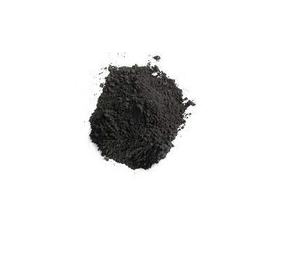
(Advanced Ceramic Powders for Additive Manufacturing Enable Complex Geometries in Ceramics)
The powders flow smoothly during printing and fuse evenly when heated. This results in dense, high-quality ceramic components with fine details and consistent performance. Engineers can now design intricate internal channels, thin walls, and custom geometries that meet exact specifications.
Industries such as aerospace, medical devices, and energy are already benefiting from this technology. In aerospace, lightweight heat-resistant parts improve fuel efficiency. In healthcare, biocompatible ceramics enable better implants and surgical tools. Energy applications include components that withstand extreme temperatures and corrosive environments.
Unlike older ceramic production techniques, which often required molds or extensive post-processing, additive manufacturing with these powders reduces waste and speeds up development. Design changes can be made quickly in software without retooling. This flexibility supports rapid prototyping and small-batch production.
The powders work with several common 3D printing platforms, including binder jetting and powder bed fusion systems. Their particle size and shape are tightly controlled to ensure reliability across different machines and processes. Manufacturers report fewer defects and higher success rates compared to earlier ceramic materials.
(Advanced Ceramic Powders for Additive Manufacturing Enable Complex Geometries in Ceramics)
As demand grows for high-performance ceramics in demanding applications, these advanced powders offer a practical path forward. They combine the strength and thermal stability of ceramics with the design freedom of modern 3D printing. Companies adopting this approach are seeing faster innovation cycles and new possibilities in product design.